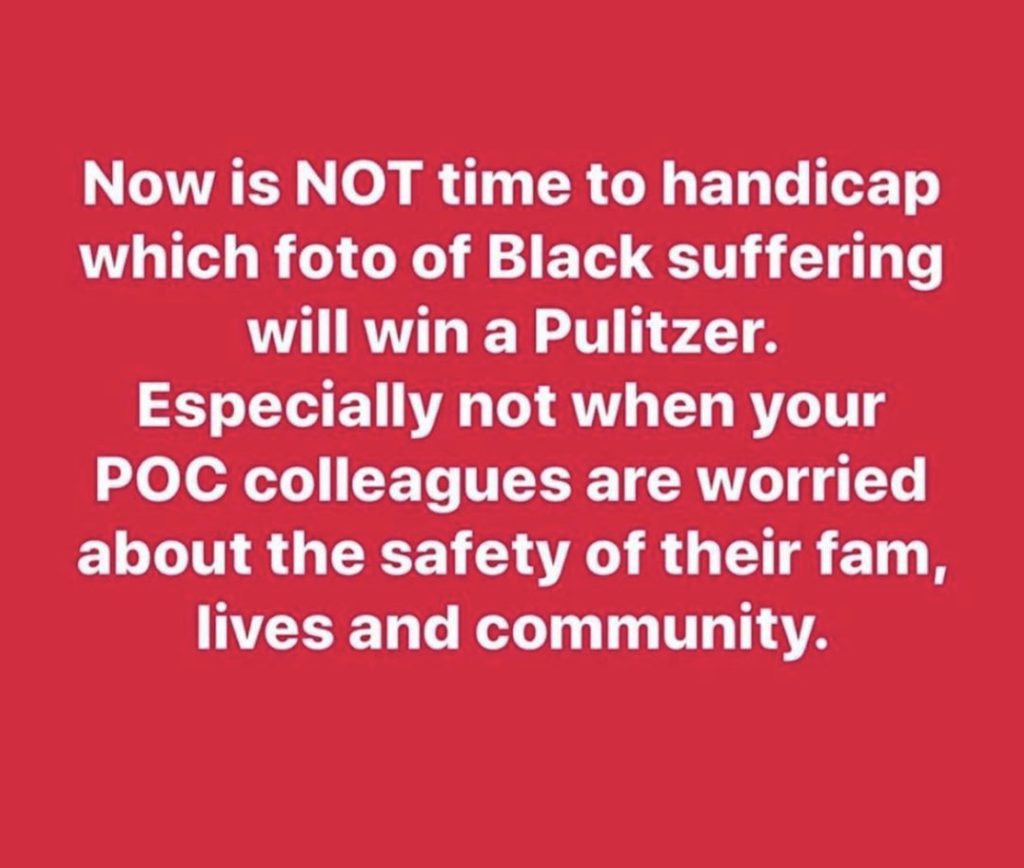
So many prestigious photography awards and the photojournalism industry in general often rewards photographers who capitalize on the pain of already marginalized communities. As members of various photography communities, we—white photographers especially—must make a more concerted effort to stop making those types of pictures especially when we are not part of the communities we are documenting.
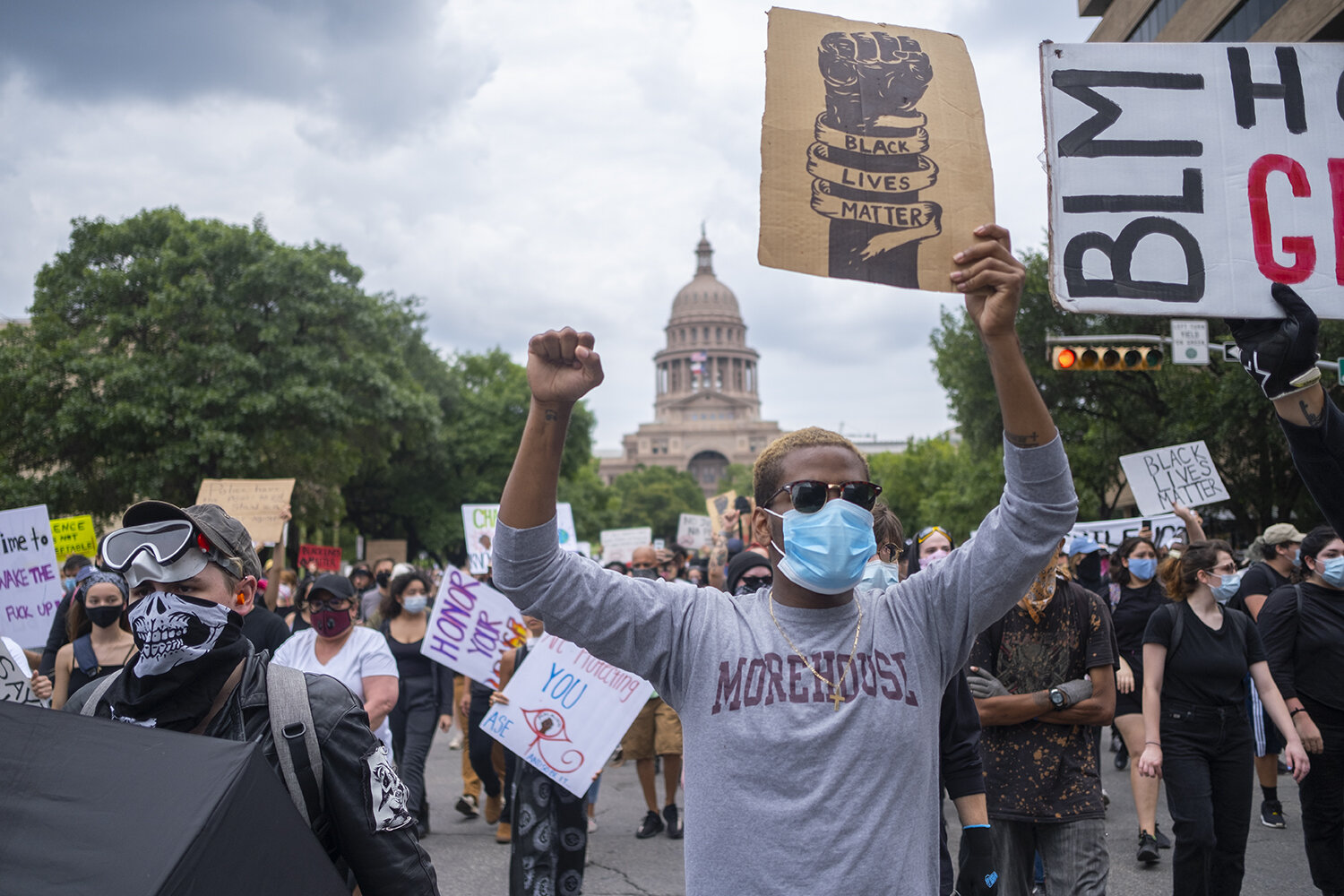
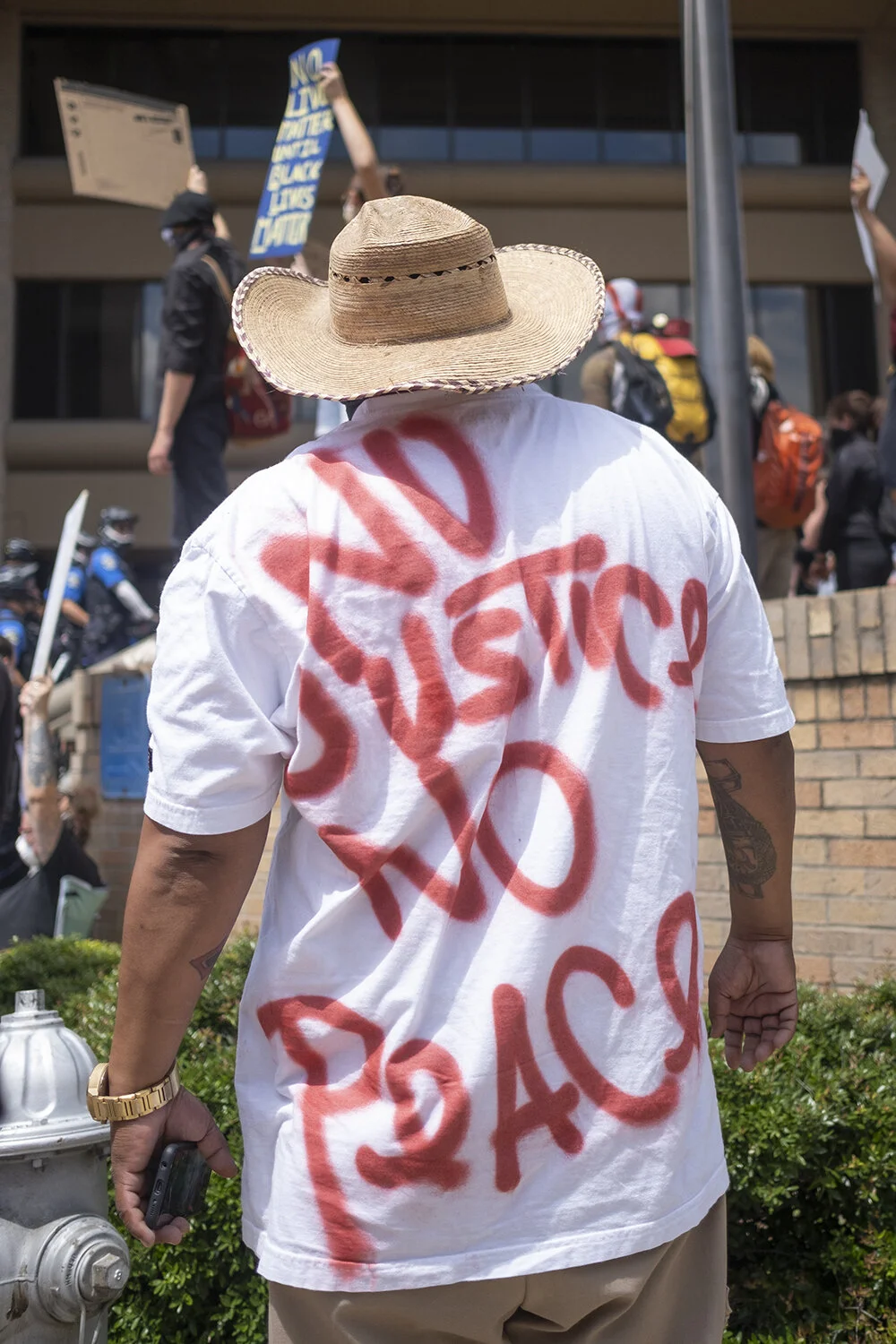
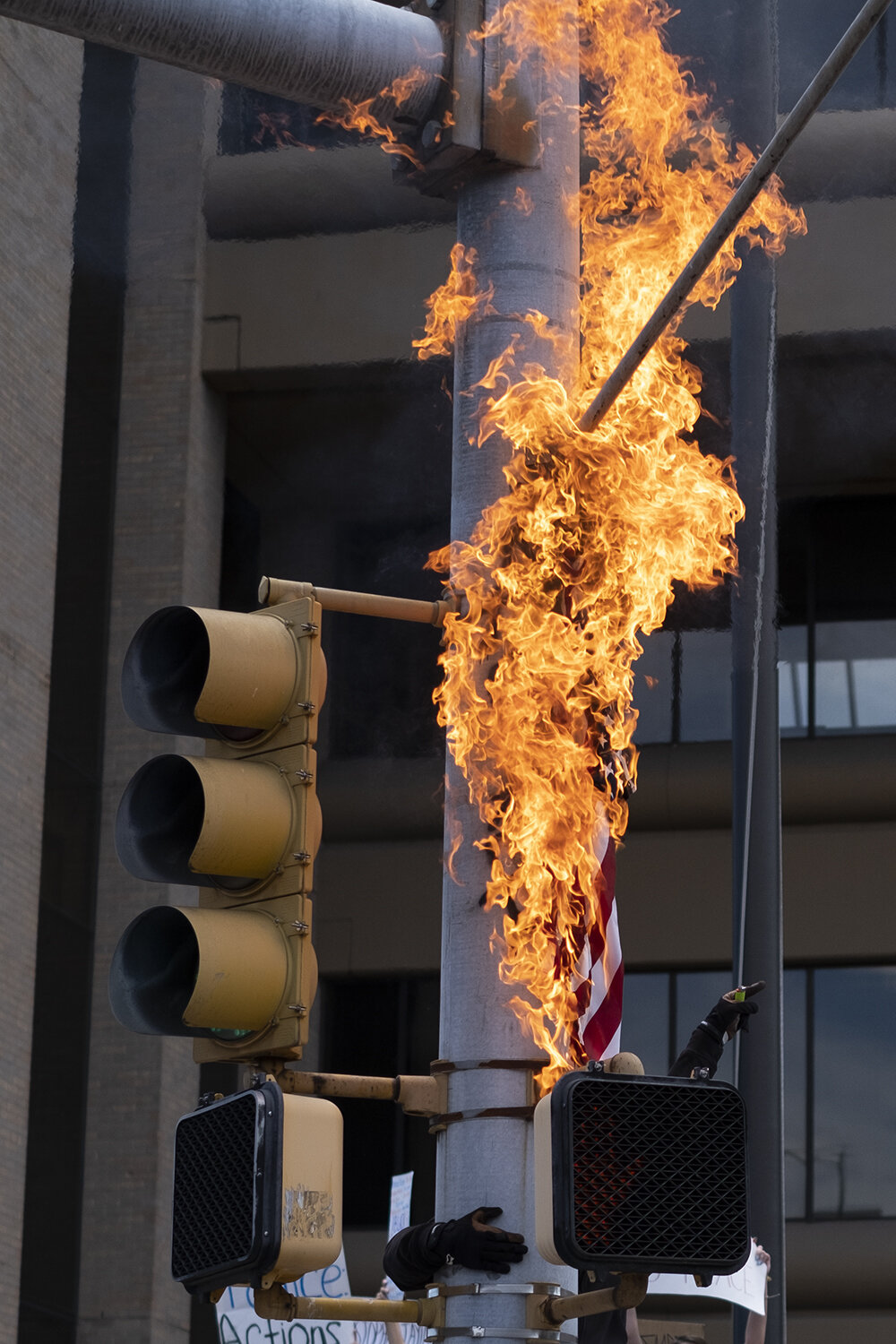
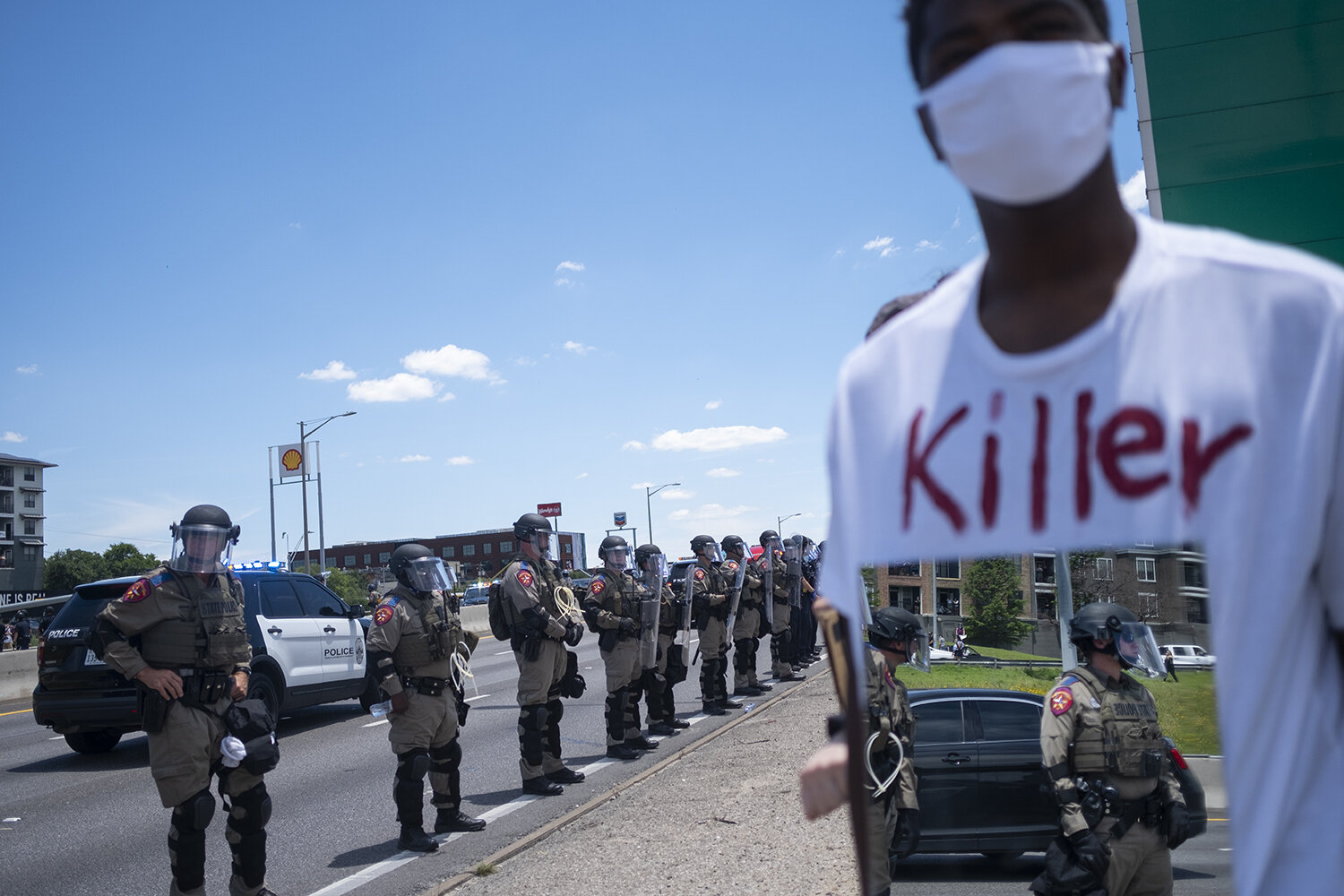
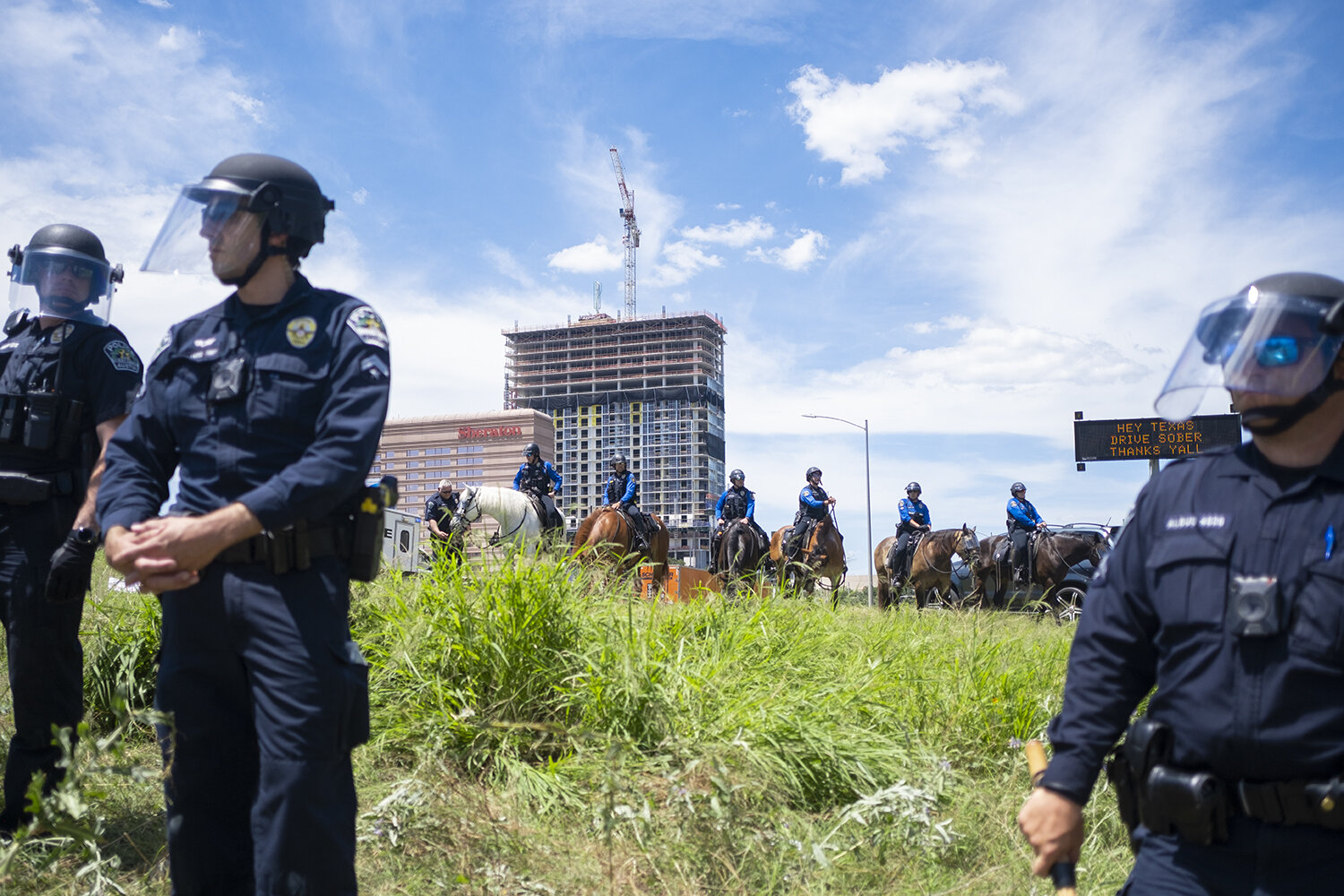
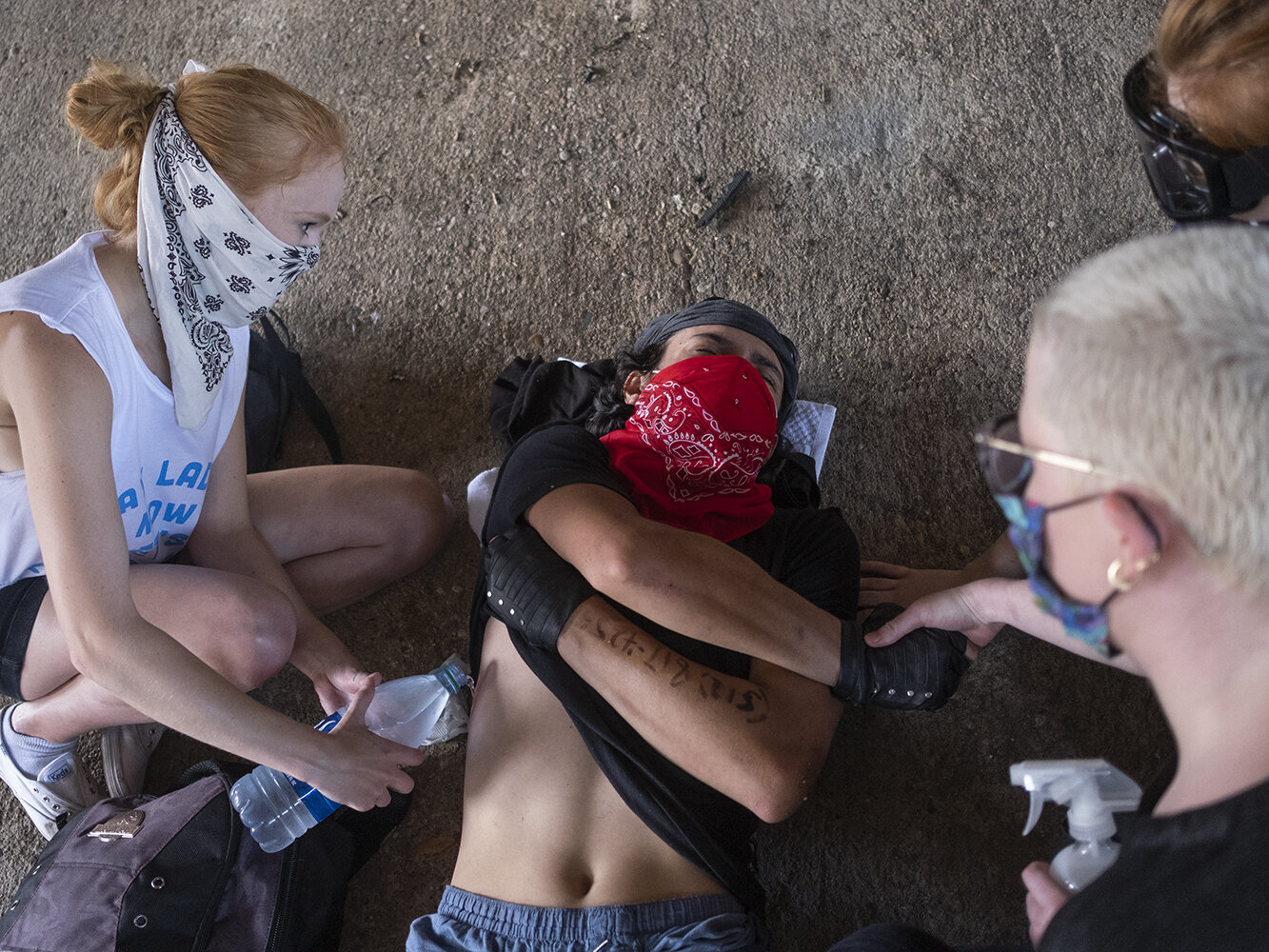
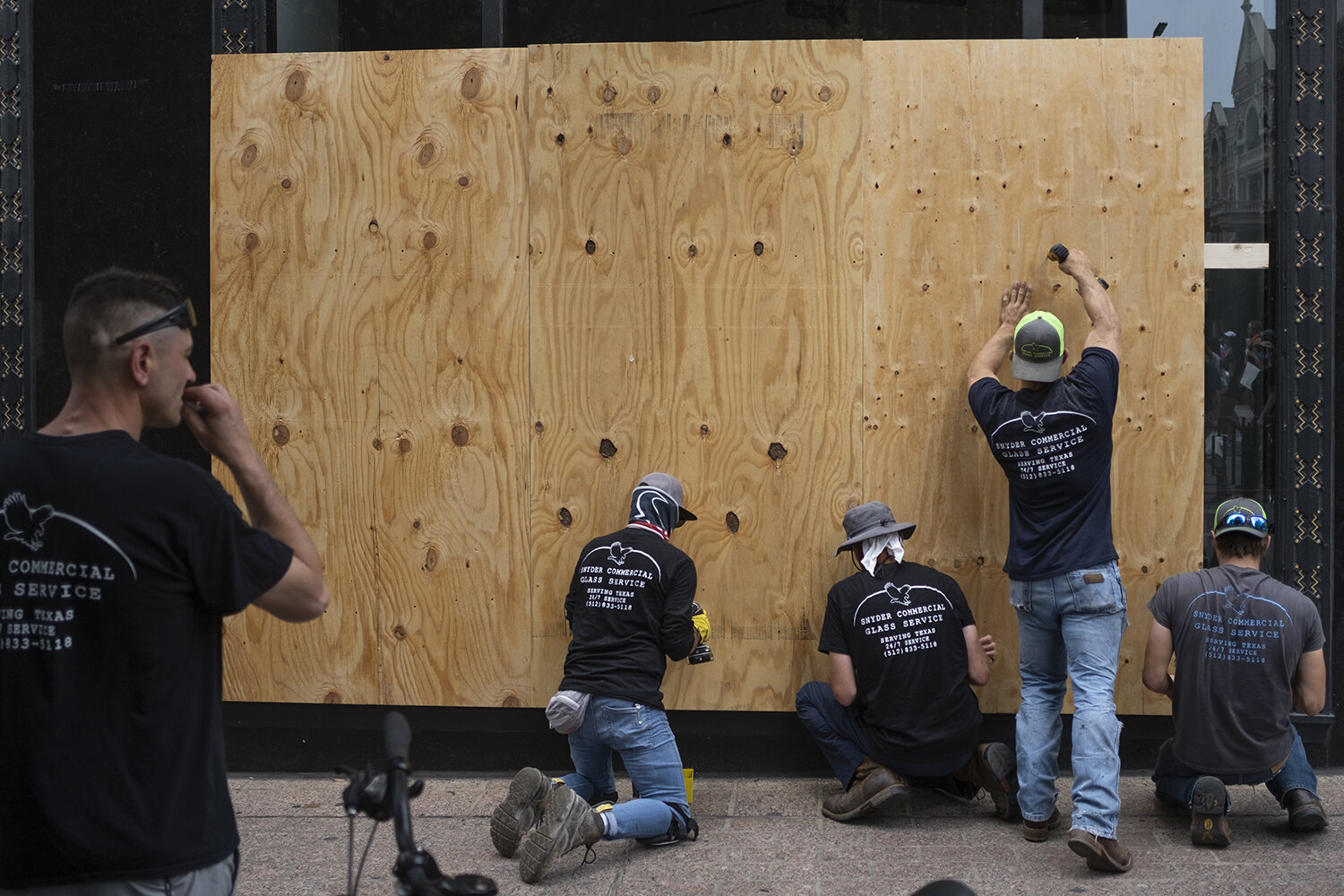
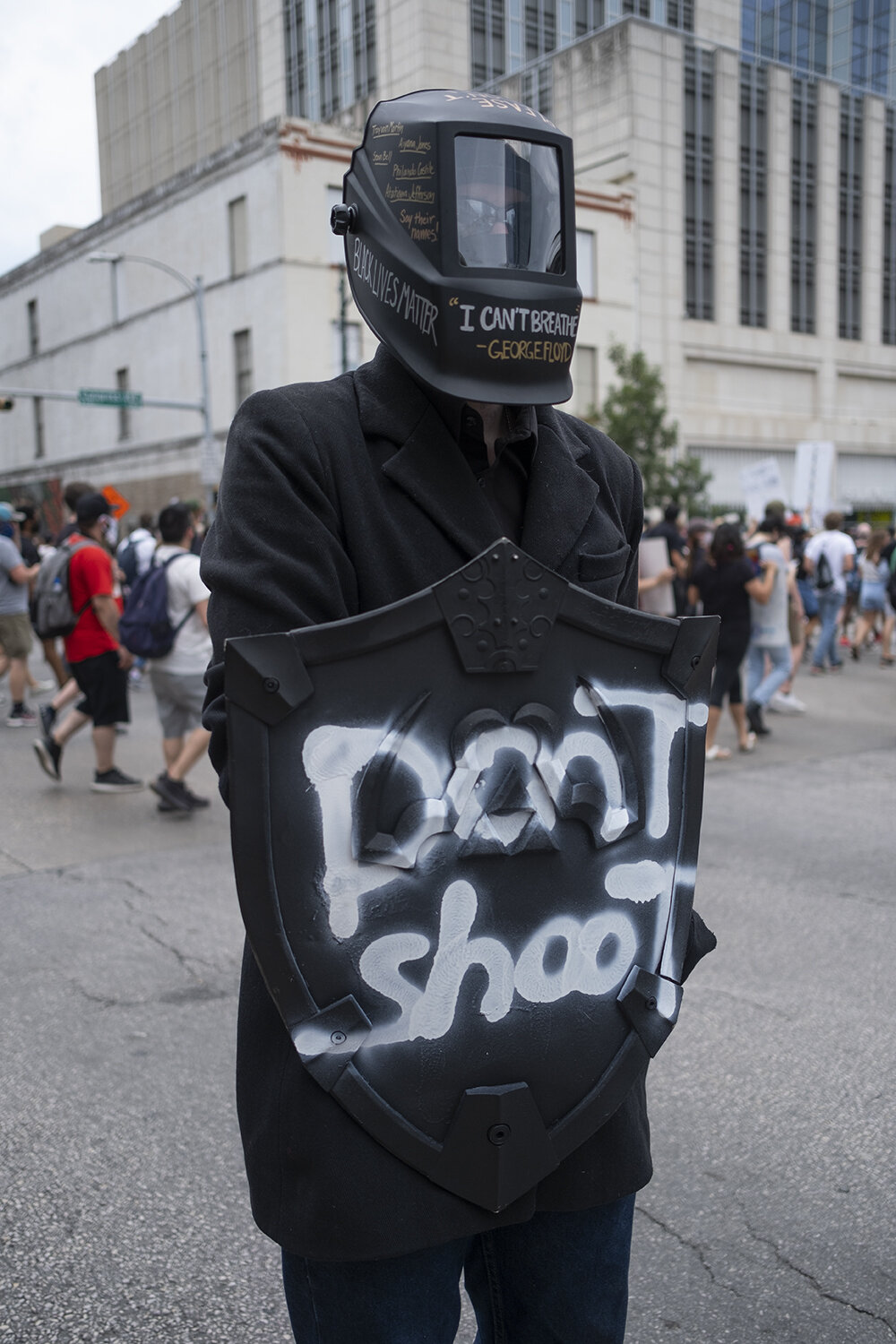
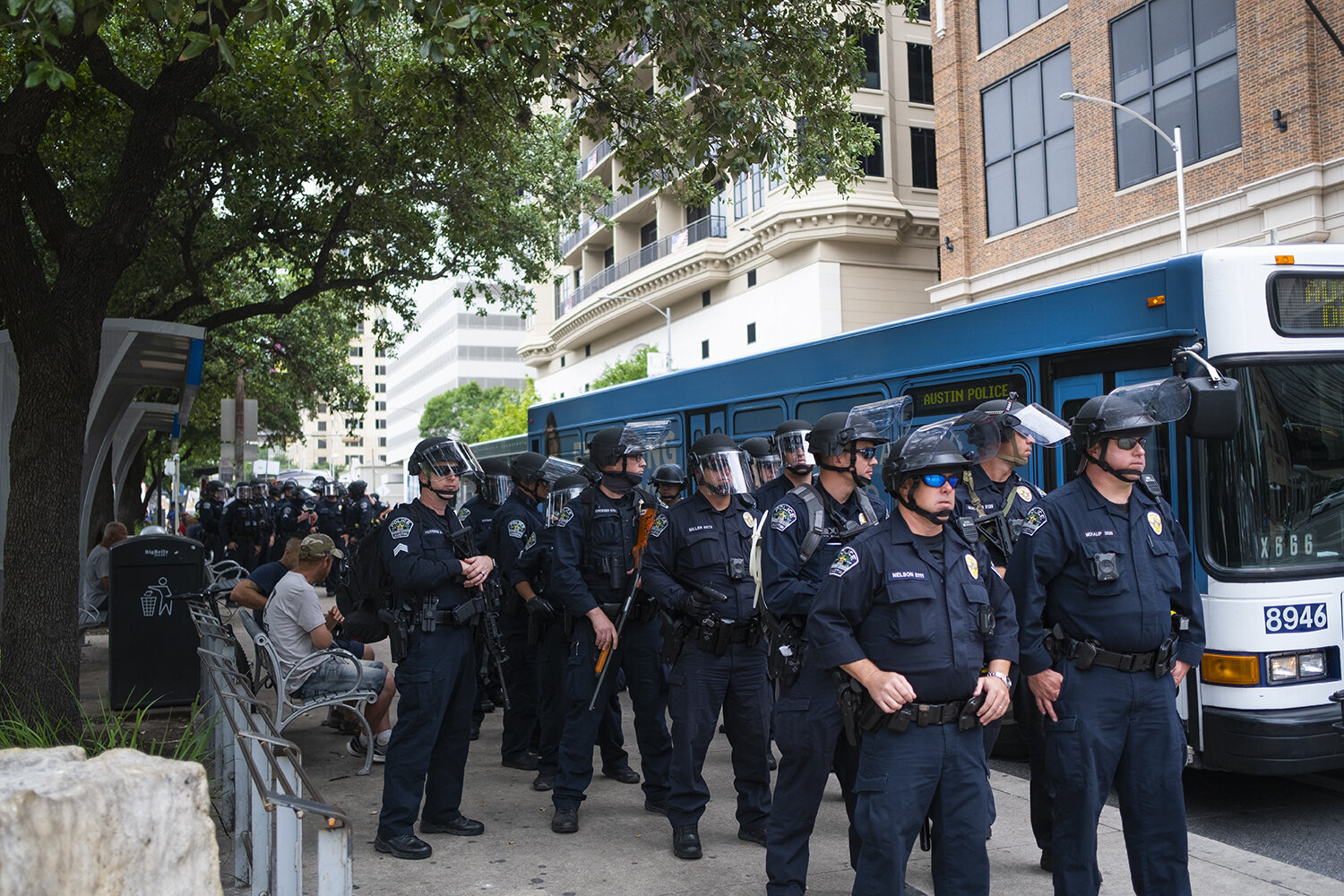
I wouldn't expect my photos of the protests in Austin to win awards, but I've decided that as a white photographer I won't be submitting my images for any awards. I would encourage other white photographers to consider doing the same. To be clear, I only photographed the protests in Austin for less than a day and a half. I know that I am not making any real personal sacrifice by choosing not to submit my images for any awards.
Of course, the issues David Gonzalez and the Authority Collective raise don’t start with people submitting photos to win awards, but rather taking them in the first place. That being said, change can only come from within the photojournalism community if white photographers make conscious choices to relinquish the power we have and elevate marginalized voices.
I don’t expect that all white photojournalists will decide to skip submitting their images of the ongoing protests against police brutality. But what if they did? Of course Black photographers have the talent to win those awards on their own, but wouldn’t that be a powerful form of solidarity from within the photojournalism community?
- - -
A few days removed from last weekend’s events, I am seeing a lot of powerful images that reveal some of the shortcomings of my own documentation of last weekend’s events. The police did severely and even critically injure protesters, which is something I didn’t capture thoroughly.
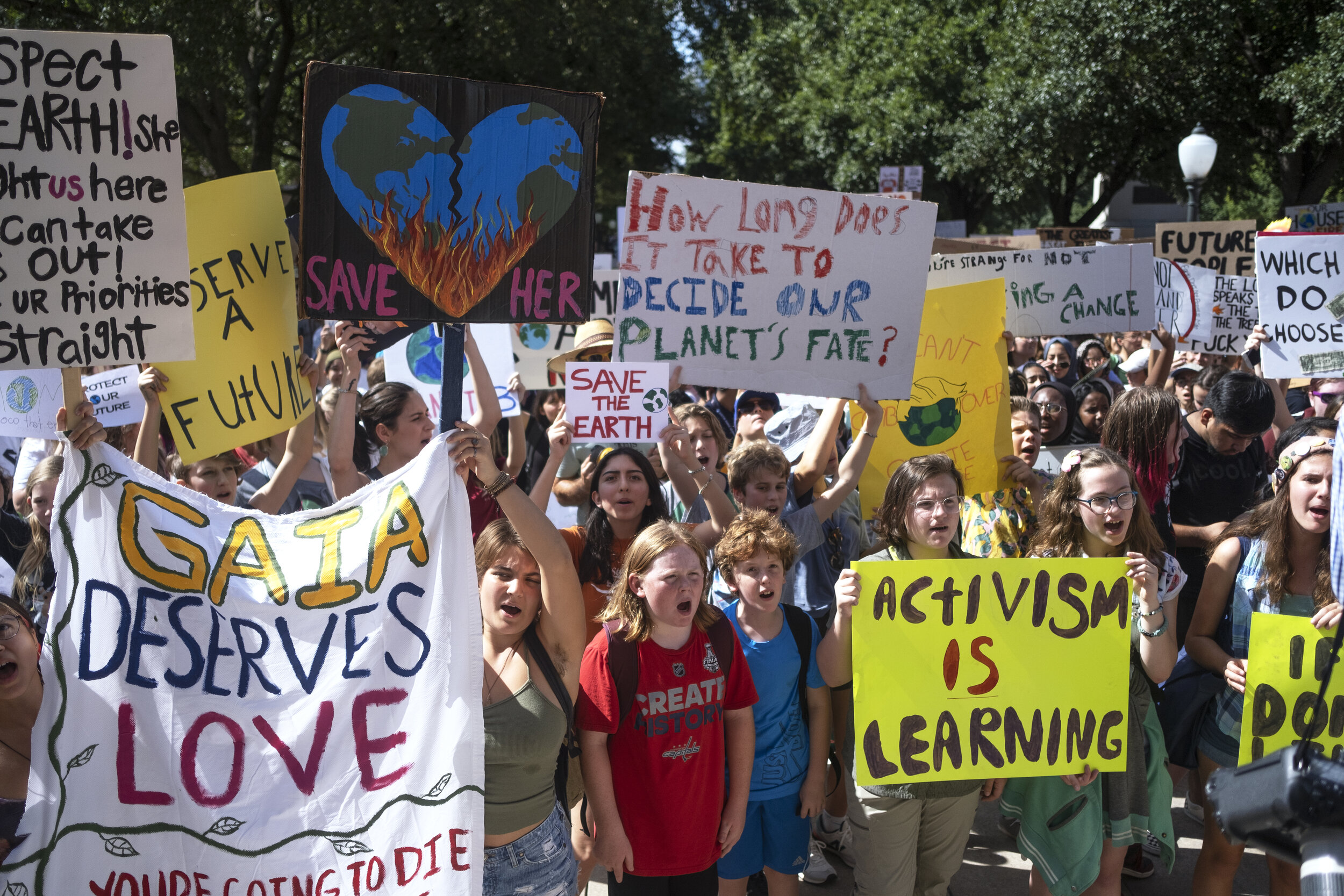
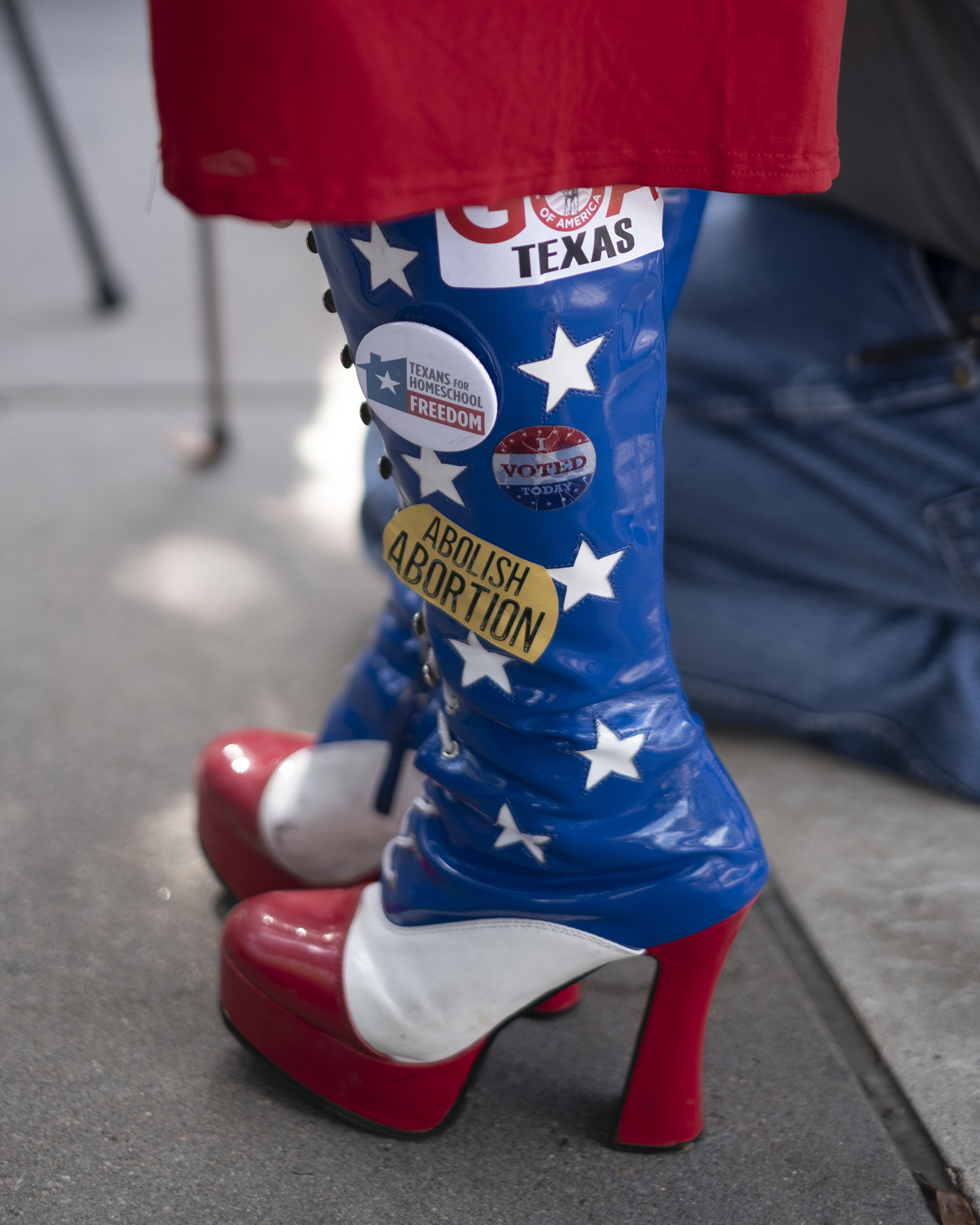
The photos in this post wouldn’t negatively impact anyone, but did I leave out an important part of the story?
Because I wasn’t on assignment I approached the protests in a way that was more about documenting my own experience rather than capturing the news as a photojournalist. A big part of me also very simply didn’t want to get sprayed with mace or shot with sandbags—something many other photojournalists have endured in the last week.
Again this makes me think about my own privilege as a white man not directly impacted by police brutality. I recognize that reflecting on my own privilege within a specific industry feels self-indulgent to a certain extent when people’s lives are at stake. I recognize that this topic and conversation is one of many that I need to be having.
- - -
If you have any comments, responses, or criticism regarding this post or my work more broadly I’m open to hearing it all. I will continue to educate myself, consider the intentional and unintentional impacts of my work, and spark conversations with friends, acquaintances, and strangers.
I am personally making my way through this document: Resources for Photographers and Beyond on Anti-Racism. It was also compiled by the Authority Collective.
I’ll finish this post with a short list of Black photographers, artists, editors, and organizations whose work and presence on social media have shaped how I personally think about issues of representation within the photography industry. Check out their work, hire them, and buy their books and prints!
Authority Collective
Diversify Photo
Women Photograph
Alexandra Bell
Brent Lewis
Walé Oyéjidé, Esq.
Dana Scruggs
Deana Lawson
Rahim Fortune
Dawoud Bey
Montsho Jarreau Thoth
Gabriella Angotti-Jones
Radcliffe “Ruddy” Roy
Kris Graves
Ibarionex Perello
Joshua Kissi
Adrian Octavius Walker
Miranda Barnes
Chris Facey
Andre Wagner